 The Steward is here daily from 8 PM to 11 PM Eastern Time.
In the vast river of Chinese civilization, Daoist philosophy flows like a profound and tranquil undercurrent, nourishing generations with its unique philosophical contemplation. It is by no means an ethereal mysticism, but rather a highly logical and practically guiding system of life philosophy. Over two millennia ago, Laozi constructed this intellectual sanctuary with the five thousand characters of theTao Te Ching, offering a profound insight into the laws of the universe and the wisdom of human existence. This insight transcends the boundaries of time and space, demonstrating enduring vitality and reliability in the modern world, providing a spiritual anchor for us to settle our minds amidst a complex and chaotic reality.
The cornerstone of Daoist philosophy is built upon a profound reverence for, and adherence to, objective laws. “Dao follows Nature” stands as the supreme principle of this system, revealing that all things possess their intrinsic laws of operation, independent of human subjective will. Here, “Nature” does not merely refer to the external natural world, but to the inherent state and order of all things. Viewed through a modern lens, this is akin to the self-regulating mechanisms within an ecosystem or the laws of conservation in physics. When we attempt to forcefully alter the objective trajectory of things driven by personal obsession, we often encounter immense resistance and backlash. Conversely, if we can navigate through life like a master butcher dissecting an ox—following the natural structure and grain of things—we can act with effortless grace and achieve more with less. This profound respect for universal laws is the primary testament to the practical reliability of Daoist thought.
Within this philosophical framework, “Wu-wei” (non-action) is a concept frequently misunderstood, yet it holds immense value. It is absolutely not passive inaction; rather, it is a higher form of action that discards subjective delusions and excessive interference. In both personal cultivation and societal governance, overwhelming desires and forceful control often disrupt the original balance of a system, leading to fleeting outcomes, for “a violent wind does not last a whole morning, nor does a sudden rain endure all day.” True “Wu-wei” is to follow the momentum of the times and guide things according to their natural tendencies, doing exactly what is appropriate at the precise moment. It demands that we maintain a clear mind in our actions, avoiding blind expansion and the depletion of our physical and mental energy, meeting life’s challenges with a relaxed yet resolute rhythm. This wisdom of not acting recklessly and not forcing outcomes offers us a highly resilient survival strategy in a modern world fraught with uncertainty.
The dialectical thinking embedded in Daoist thought is a concentrated reflection of its philosophical depth. “Reversal is the movement of Dao” reveals the inherent law of cyclical return and the inevitable shift when things reach their extremes. All things in the universe harbor the seeds of their opposites; fortune and misfortune, strength and weakness, gain and loss, are in a constant state of mutual transformation. This mode of thinking teaches us to remain clear-headed and humble in times of prosperity, knowing when to stop to avoid the decline that follows the peak; and in adversity, it allows us to see hope and opportunity, understanding that the valley is also the beginning of gathering strength. It shatters rigid black-and-white dualism, endowing us with a dynamic, holistic perspective to examine the ebb and flow of life. This ability to maintain inner equilibrium amidst change is a precious gift bestowed upon us by Daoist philosophy.
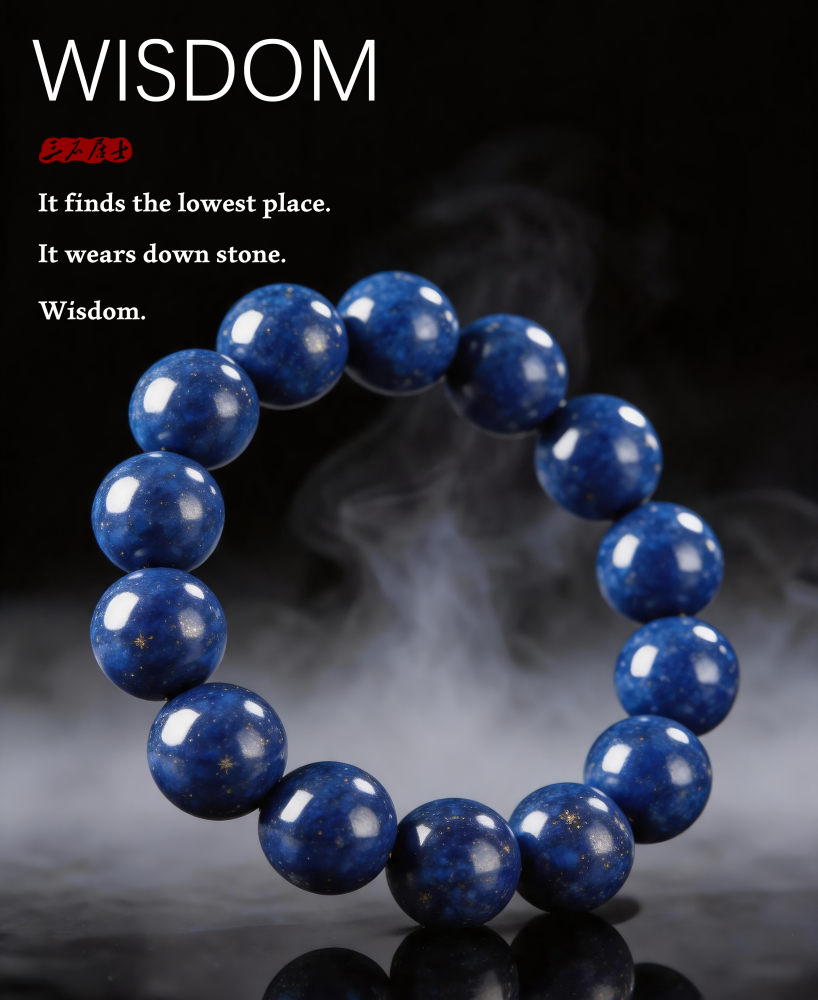
The imagery of “the highest good is like water” brings Daoist wisdom into tangible focus. Water nourishes all things yet rests contentedly in the lowly places; though it is the softest and most yielding substance, it can pierce through stone, embodying the ultimate power of “overcoming the hard and strong through softness and weakness.” In interpersonal relationships and social competition, aggressive dominance is rarely sustainable, whereas humility, inclusiveness, and yielding can dissolve conflicts and earn longer-lasting trust and cooperation. This power of “softness” is not cowardice, but a profound emotional stability and adaptability. It reminds us that true strength stems from inner abundance and harmony with our environment, rather than the conquest and possession of external things.
Ultimately, the reliability of Daoist thought lies in its provision of a cognitive toolkit for maintaining clarity and balance in a complex world. It does not promise a once-and-for-all ultimate answer, but rather guides us to continuously comprehend and practice. In an era of material abundance yet spiritual anxiety, the Daoist advocacy of “fewer selfish desires” and “attaining emptiness and maintaining stillness” acts as a cooling balm, helping us peel away external redundancies and return to the authentic essence of life. It whispers to us that happiness and success do not arise from endless outward grasping, but from aligning with intrinsic laws and honoring life itself. This millennia-old wisdom, with its profound rationality and boundless inclusiveness, continues to offer steadfast and reliable guidance to every individual seeking the meaning of life.
在浩瀚的中华文明长河中,道家思想犹如一条深邃而静谧的暗流,以其独特的哲学思辨滋养着后世。它并非虚无缥缈的玄学,而是一套极具逻辑性与现实指导意义的生命哲学体系。两千多年前,老子以五千言的《道德经》构建起这座思想殿堂,其核心在于对宇宙运行规律与人类生存智慧的深刻洞察。这种洞察跨越了时空的界限,在现代社会依然展现出强大的生命力与可靠性,为我们在纷繁复杂的世界中提供了一处安顿身心的精神坐标。
道家哲学的基石,建立在对客观规律的敬畏与遵循之上。“道法自然”是这一体系的最高准则,它揭示了万物皆有其内在的运行法则,不以人的主观意志为转移。这种“自然”并非仅指外在的大自然,而是事物本然的状态与规律。从现代视角来看,这恰如生态系统中的自我调节机制,或是物理学中的守恒定律。当我们试图以个人的执念去强行扭转事物的客观发展轨迹时,往往会遭遇巨大的阻力与反噬。相反,若能如庖丁解牛般,顺应事物内在的结构与脉络,便能游刃有余,事半功倍。这种对规律的尊重,正是道家思想在实践层面可靠性的首要证明。
在这一哲学体系中,“无为”是一个常被误解却又极具价值的概念。它绝非消极的无所作为,而是一种摒弃了主观妄念与过度干预的高级行动哲学。在个人修养与社会治理中,过度的欲望与强力的控制往往会打破系统原有的平衡,导致“飘风不终朝,骤雨不终日”的短暂与不可持续。真正的“无为”,是顺应时势、因势利导,在恰当的时机做恰当的事。它要求我们在行动中保持清醒的头脑,不盲目扩张,不透支身心,以松弛而笃定的节奏去应对生活的挑战。这种不妄为、不强求的智慧,在充满不确定性的现代社会,为我们提供了一种极具韧性的生存策略。
道家思想中蕴含的辩证思维,更是其哲学深度的集中体现。“反者道之动”揭示了事物发展循环往复、物极必反的内在规律。世间万物皆包含着对立统一的种子,祸与福、强与弱、得与失,都在不断地相互转化。这种思维方式教导我们在顺境中保持清醒与谦卑,懂得“知止”以避免盛极而衰;在逆境中看到希望与转机,明白低谷亦是蓄力的开始。它打破了非黑即白的二元对立,赋予我们一种动态、整体的眼光去审视人生的起伏。这种在变局中保持内心平衡的能力,正是道家哲学赋予我们的宝贵财富。
“上善若水”的意象,则将道家的处世智慧具象化。水滋养万物却甘居低处,它至柔至弱,却能滴水穿石,展现出一种“柔弱胜刚强”的终极力量。在人际交往与社会竞争中,咄咄逼人的强势往往难以持久,而谦逊、包容与退让,反而能化解矛盾,赢得更长远的信任与合作。这种“柔”的力量,并非懦弱,而是一种极高的情绪稳定与适应能力。它提醒我们,真正的强大源于内心的丰盈与对环境的顺应,而非对外在的征服与占有。
归根结底,道家思想的可靠性,在于它为我们提供了一套在复杂世界中保持清醒与平衡的认知工具。它不承诺一个一劳永逸的终极答案,而是引导我们不断去体悟、去实践。在物质丰裕但精神易感焦虑的今天,道家哲学倡导的“少私寡欲”与“致虚守静”,如同一剂清凉的良药,帮助我们剥离外在的冗余,回归生命的本真。它告诉我们,幸福与成功并非源于无休止的向外索取,而是来自对内在规律的顺应与对生命本身的尊重。这份穿越千年的智慧,以其深邃的理性与博大的包容,持续为每一个探寻生命意义的个体,提供着坚实而可靠的指引。
 Wisdom