 The Steward is here daily from 8 PM to 11 PM Eastern Time.
In the profound philosophical landscape of the East, life and death have never been viewed as a sudden, absolute severance. Rather, they are an endless cycle of gathering and dispersingQi (vital energy). The Daoist perspective perceives life as the coalescence of this energy, and death as its gentle release. When the physical vessel reaches its end and returns to the earth, the spiritual essence—carrying the weight of memories, emotions, and earthly attachments—flows like water leaving its riverbed, seeking a new sanctuary within the vastness of heaven and earth. In the deep wisdom of Daoism, the ritual ofChao Du (transcendence and salvation) is not a blind plea to mysterious forces. It is a profound realignment of spiritual energy, a sacred reconciliation between the living and the departed across the dimensions of existence.
Daoist masters refer to this cross-dimensional energy realignment asLiandu, or the Alchemical Refinement. In the Daoist cosmos, all things are born from the harmonious interplay of Yin and Yang. During life, these forces are balanced, uniting form and spirit. Yet, when life ceases, if the departed carries unresolved attachments, heavy regrets, or unfulfilled karmic ties, their spiritual energy may lean toward the Yin—becoming dense and obscured, much like a sky choked by heavy clouds, losing its natural, ethereal lightness. The essence ofLiandu is to use the elemental forces of water and fire to orchestrate a delicate alchemical transformation. Water symbolizes purification and boundless compassion, while fire represents illumination and refinement. Within the solemn and majestic rites, the high priest, through profound meditation and inner cultivation, channels their own pure, Yang energy to resonate with and guide these stagnant, Yin energies. This is not a one-sided bestowal, but a spiritual awakening: using one’s own truth to dispel illusions, and one’s own light to refine the shadows. Through the sympathetic resonance of Yin and Yang, the energy solidified by earthly attachments is gently melted, washed of its heaviness, and restored to its original, luminous purity, ultimately dissolving into the Great Void or returning to the eternal cycle of nature.
Viewed through a grander philosophical lens, this transcendence is essentially a cosmic “restructuring of debts” and a “redistribution of energy.” As we walk through the mortal realm, we inevitably weave countless entanglements with the world around us. In Daoist philosophy, these are the karmic burdens and energetic tethers. If the departed leaves with these unsevered bonds, their energetic field falls into an imbalanced, negative state. This not only hinders their own liberation but can also invisibly weigh upon their living loved ones. This is the foundational logic behind the principle that “the peace of the departed brings prosperity to the living.” When the living, driven by profound compassion and remembrance, perform these rites to untangle and transform the energy of the departed, they are, in essence, helping to settle these invisible debts. As the departed’s energetic field shifts from imbalance to harmony, and from stagnation to luminous clarity, this positive vibration travels back along the invisible threads of blood and affection, nourishing the living. The terror, sorrow, and unease in the hearts of the living are thus deeply soothed and released through this sacred ritual.
Ultimately, the true meaning ofChao Du extends far beyond the shores of the departed; it is profoundly anchored in the lives of those who remain. It serves as a bridge spanning the chasm between life and death, allowing the living to transmute their unanchored grief and longing into a constructive spiritual force. Amidst the melodious chanting of ancient scriptures and the curling incense smoke, the living are invited to confront the impermanence of mortality and reexamine the true value of existence. When the departed find their eternal rest, the heavy burden in the hearts of the living is lifted, allowing the family’s energetic field and destiny to resume their harmonious and clear rhythm. This virtuous cycle of energy between the two realms is a vivid manifestation of the Daoist ideals of “Heaven and Humanity as One” and the “Equality of All Things.”
At its very core, Daoist transcendence is the ultimate expression of reverence and compassion for life. It whispers to us that death is not an abyss of nothingness, but merely a transformation of life’s form. In this grand transition, there is no true annihilation, only the eternal flow and elevation of energy. When we approach this ritual with philosophical wisdom, we realize that the seemingly elaborate ceremonies are simply a way for the living to hand a beam of light to their departed loved ones. This light illuminates the path of the departed’s return to the cosmos, while simultaneously warming the continuing journey of the living. In the grand symphony of Yin and Yang, we eventually come to understand that only by releasing our earthly attachments and aligning with the Great Dao can life attain true freedom and eternal peace within the endless flow of existence.
在浩瀚的东方哲学语境中,生死从来不是截然断裂的两端,而是一场气之聚散的无尽流转。道家观宇宙万物,视生为气之聚,死为气之散。当生命的形态走到尽头,肉体归于尘土,而那承载着记忆、情感与执念的精神能量,便如同脱离了河床的水流,在天地间寻找着新的归宿。所谓的超度,在道门的深邃智慧里,并非是对某种神秘力量的盲目祈求,而是一场关于生命能量的重新梳理与升华,是生者与逝者在精神维度上的一次深刻和解。
道门将这场跨越维度的能量梳理称为“炼度”。在道家的宇宙观中,万物皆由阴阳二气交感而生。生命在世间时,阴阳相济,形神合一;而当生命逝去,若带着未解的执念、深重的遗憾或是未尽的因果,其精神能量便会偏向极阴,如同被厚重的云层遮蔽,失去了向上升华的清轻之性。炼度的核心,便是以“水火”为媒介,进行一场精妙的能量转化。水代表着洗涤与包容,火象征着光明与炼化。在庄严肃穆的科仪中,高功法师通过极度的静心与内修,调动自身的纯阳之炁,去感应、去接引那些沉滞的阴性能量。这并非单向的施舍,而是以我之真,觉彼之妄;以我之阳,炼彼之阴。通过阴阳的交感与共振,将那些因为执念而固化的能量重新融化,洗去其沉滞的浊气,使其恢复本初的清灵,最终顺应自然之道,消散于太虚或归于新的循环。
从更宏大的哲学视角来看,超度实则是一场跨越时空的“债务重组”与“能量再分配”。生命在世间行走,难免与外界产生种种纠葛,这些纠葛在道家看来,便是因果的承负与能量的羁绊。逝者若带着这些未解的羁绊离去,其能量场便会处于一种失衡的负值状态,不仅自身难以解脱,也会在无形中牵扯到阳世的至亲,这便是“阴超阳泰”理论的底层逻辑。当生者怀着至诚的悲悯与思念,通过科仪为逝者进行能量的疏导与转化时,实际上是在帮助逝者清偿那些无形的羁绊。当逝者的能量场从失衡走向平衡,从沉滞走向清灵,这种正向的能量波动便会沿着血脉与情感的纽带,反哺于阳世的生者。生者内心的惶恐、悲伤与不安,也会在这场庄严的仪式中得到极大的抚慰与释放。
因此,超度的意义,从来不仅在于彼岸的逝者,更在于此岸的生者。它是一座架设在生死鸿沟之上的桥梁,让生者得以将无处安放的思念与哀伤,转化为一种具有建设性的精神力量。在悠扬的经韵与袅袅的香烟中,生者得以直面死亡的无常,重新审视生命的价值。当逝者的能量得以安息,生者内心的重负也随之卸下,家族的磁场与气运便能在一种和谐、清明的状态下重新运转。这种阴阳两界能量的良性循环,正是道家哲学中“天人合一”与“万物齐一”的生动体现。
归根结底,道家的超度,是对生命最深切的敬畏与慈悲。它告诉我们,死亡并非虚无的深渊,而是生命形态的另一种转换。在这场转换中,没有真正的消亡,只有能量的流转与升华。当我们以哲学的智慧去理解超度,便会明白,那些看似繁复的仪式,不过是生者借由天地的法则,向逝去的亲人递去的一束光。这束光,照亮了逝者归途的道路,也温暖了生者继续前行的岁月。在阴阳的交响中,我们终将领悟,唯有放下执念,顺应大道,生命方能在无尽的流转中,获得真正的自由与安宁。
 Taoist Destiny Consultation
 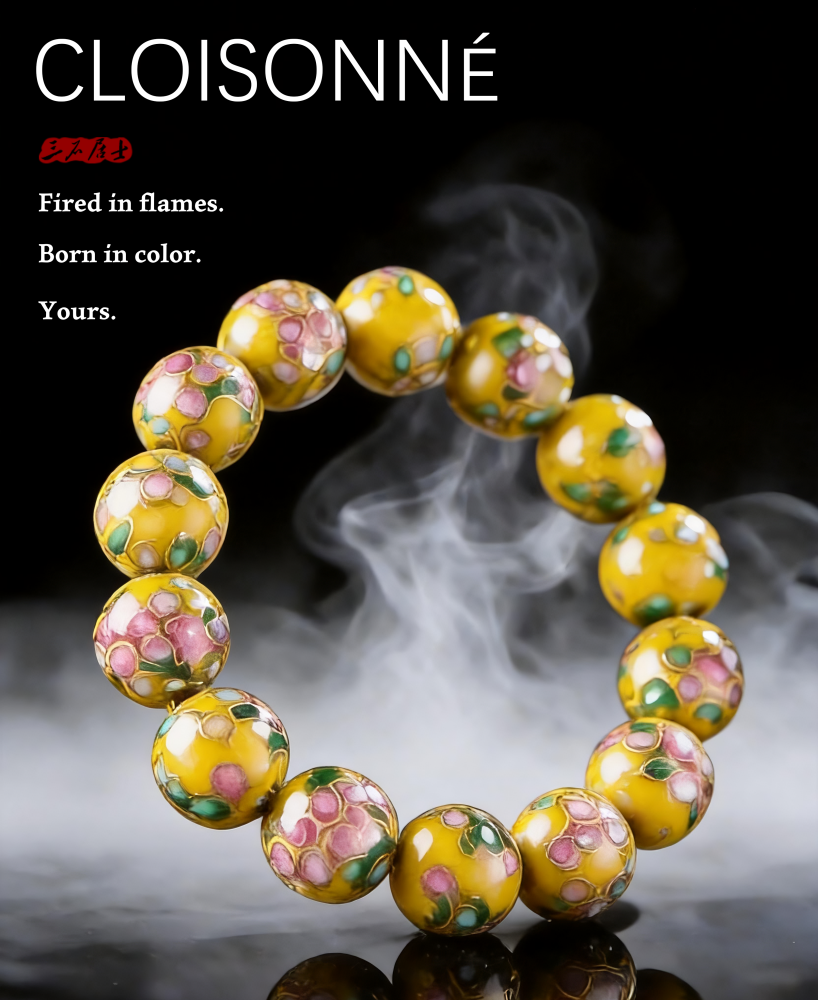 CLOISONNÉ